When Low Arches Affect Comfort and Stability

Flat feet occur when the arches sit lower than usual or collapse when standing, causing the entire sole to rest more fully on the ground. Some people are born with this structure, while others develop it over time due to tendon weakness, aging, injury, or extra stress on the feet. Low arches can lead to tired feet, aching ankles, or discomfort that travels into the knees or lower back because the body works harder to stay aligned. Many individuals also notice shoes wearing unevenly or feeling less supportive during long periods of standing or walking. Wearing supportive footwear, gentle strengthening, and early attention to soreness can improve comfort and prevent further strain. If you have persistent fatigue, instability, or pain related to low arches, it is suggested that you schedule an appointment with a podiatrist for a personalized evaluation.

Flatfoot is a condition many people suffer from. If you have flat feet, contact one of our podiatrists from Crystal Lake Foot & Ankle Center. Our doctors will treat your foot and ankle needs.

What Are Flat Feet?

Flatfoot is a condition in which the arch of the foot is depressed and the sole of the foot is almost completely in contact with the ground. About 20-30% of the population generally has flat feet because their arches never formed during growth.

Conditions & Problems:

Having flat feet makes it difficult to run or walk because of the stress placed on the ankles.

Alignment – The general alignment of your legs can be disrupted, because the ankles move inward which can cause major discomfort.

Knees – If you have complications with your knees, flat feet can be a contributor to arthritis in that area.  

Symptoms

  • Pain around the heel or arch area
  • Trouble standing on the tip toe
  • Swelling around the inside of the ankle
  • Flat look to one or both feet
  • Having your shoes feel uneven when worn

Treatment

If you are experiencing pain and stress on the foot you may weaken the posterior tibial tendon, which runs around the inside of the ankle. 

If you have any questions, please feel free to contact our office located in Crystal Lake, IL . We offer the newest diagnostic and treatment technologies for all your foot care needs.

Read more about Flat Feet

Signs Your Nails Needs More Than Home Care

A fungal nail infection often begins subtly, showing up as a small change in color or texture on one nail. Over time, the nail may thicken, become brittle, or develop a yellow or white appearance. Some people notice a slight odor or feel pressure in the toe when wearing closed shoes. Although the condition is not usually painful at first, it can progress and spread to other nails, if it is not addressed. Warm, moist environments such as locker rooms, areas around pools, and sweaty shoes make it easier for fungi to thrive, which is why prevention and early care matter. Treating the infection can take time because the nail must grow out fully, but timely attention supports better results and healthier feet. If you see persistent changes in a toenail, it is suggested that you schedule an appointment with a podiatrist for proper evaluation and appropriate treatment.

If left untreated, toenail fungus may spread to other toenails, skin, or even fingernails. If you suspect you have toenail fungus it is important to seek treatment right away. For more information about treatment, contact one of our podiatrists of Crystal Lake Foot & Ankle Center. Our doctors can provide the care you need to keep you pain-free and on your feet.

Symptoms

  • Warped or oddly shaped nails
  • Yellowish nails
  • Loose/separated nail
  • Buildup of bits and pieces of nail fragments under the nail
  • Brittle, broken, thickened nail

Treatment

If self-care strategies and over-the-counter medications does not help your fungus, your podiatrist may give you a prescription drug instead. Even if you find relief from your toenail fungus symptoms, you may experience a repeat infection in the future.

Prevention

In order to prevent getting toenail fungus in the future, you should always make sure to wash your feet with soap and water. After washing, it is important to dry your feet thoroughly especially in between the toes. When trimming your toenails, be sure to trim straight across instead of in a rounded shape. It is crucial not to cover up discolored nails with nail polish because that will prevent your nail from being able to “breathe”.

In some cases, surgical procedure may be needed to remove the toenail fungus. Consult with your podiatrist about the best treatment options for your case of toenail fungus.  

If you have any questions please contact our office located in Crystal Lake, IL . We offer the newest diagnostic and treatment technologies for all your foot and ankle needs.

Read more about Toenail Fungus

Running With a Broken Toe and What You Need to Know

Running with a broken toe is generally not recommended. Even a small fracture affects how your foot absorbs pressure, and the repeated impact from running can worsen the injury, delay healing, or cause the bone to shift out of place. Most people experience sharp pain, swelling, bruising, or difficulty pushing off the ground, all of which make running uncomfortable and risky. Continuing to run can also change your gait, which may lead to new problems in the foot, ankle, knee, or hip. A broken toe usually needs rest, protection, and sometimes immobilization to heal properly. For mild fractures, buddy taping and wearing a stiff-soled shoe may be enough. More complex injuries require medical guidance. Listening to your body and allowing time for recovery gives you the best chance to return to activity safely. If you suspect a toe fracture or the pain is not improving, it is suggested that you see a podiatrist for an evaluation and proper care.

Broken toes may cause a lot of pain and should be treated as soon as possible. If you have any concerns about your feet, contact one of our podiatrists from Crystal Lake Foot & Ankle Center. Our doctors will treat your foot and ankle needs.

What Is a Broken Toe?

A broken toe occurs when one or more of the toe bones of the foot are broken after an injury. Injuries such as stubbing your toe or dropping a heavy object on it may cause a toe fracture.

Symptoms of a Broken Toe

  • Swelling
  • Pain (with/without wearing shoes)
  • Stiffness
  • Nail Injury

Although the injured toe should be monitored daily, it is especially important to have a podiatrist look at your toe if you have severe symptoms. Some of these symptoms include worsening or new pain that is not relieved with medication, sores, redness, or open wounds near the toe.

If you have any questions please feel free to contact our office located in Crystal Lake, IL . We offer the newest diagnostic tools and technology to treat your foot and ankle needs.

Read more about What to Know About a Broken Toe

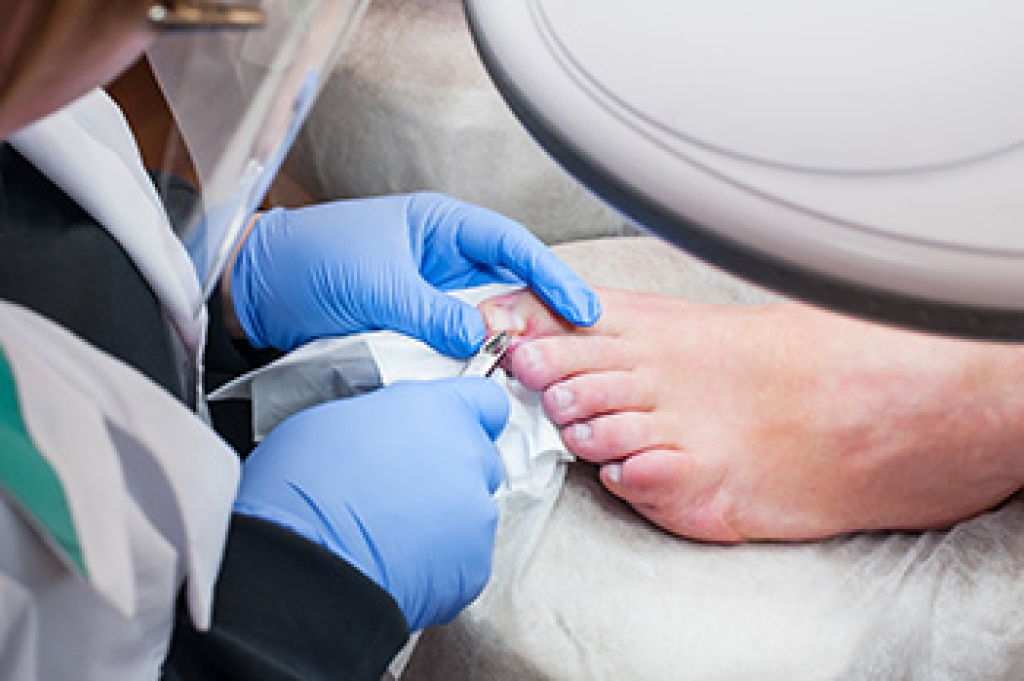
Let the Expert Treat Your Ingrown Toenails

Ingrown toenails can be painful and can make wearing shoes or walking uncomfortable. Seek professional help if you believe you've developed an ingrown toenail and be treated safely. 

Causes of Big Toe Joint Pain

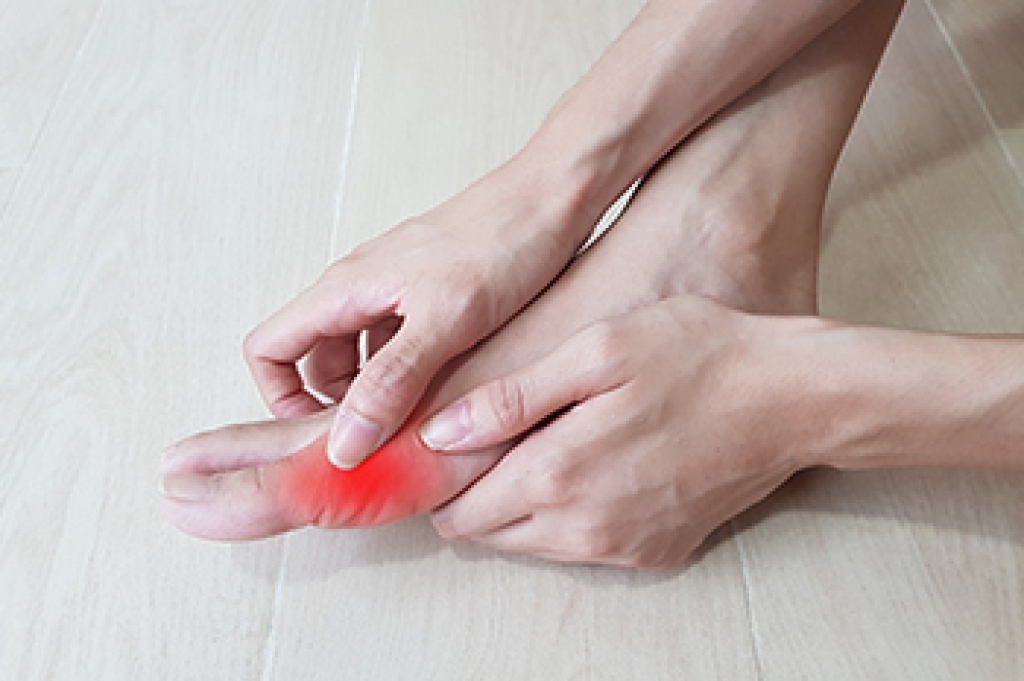
Pain in the big toe joint can have many causes. It often happens when the bones, tendons, or soft tissues around the first metatarsophalangeal, or MTP, joint become strained or inflamed. Conditions like gout, arthritis, bunions, or sesamoiditis can make the MTP joint stiff, swollen, and painful when walking. Repeated stress from sports, tight shoes, or wearing high heels can also irritate this joint, causing turf toe, tendonitis, or bursitis. A fracture or sprain can result from a direct injury, like stubbing the toe or dropping something heavy on it. If left untreated, pain in the big toe joint can limit movement or cause deformity. A podiatrist can examine the foot, order X-rays, and determine the cause of pain to prevent further joint damage. Treatment can relieve pressure on the toe, improve alignment, or involve surgery if needed. If you have pain in the joint of your big toe, it is suggested that you make an appointment with a podiatrist for a diagnosis and treatment.

Toe pain can disrupt your daily activities. If you have any concerns, contact one of our podiatrists of Crystal Lake Foot & Ankle Center. Our doctors can provide the care you need to keep you pain-free and on your feet.

What Causes Toe Pain?

Most severe toe pain is caused due to a sports injury, trauma from dropping something heavy on the toe, or bumping into something rigid. Other problems can develop over time for various reasons.

Toe pain can be caused by one or more ailments. The most common include:

  • Trauma
  • Sports injury
  • Wearing shoes that are too tight
  • Arthritis
  • Gout
  • Corns and calluses
  • Hammertoe
  • Bunions
  • Blisters
  • Ingrown toenails
  • Sprains
  • Fractures (broken bones)
  • Dislocations

When to See a Podiatrist

  • Severe pain
  • Persistent pain that lasts more than a week
  • Signs of infection
  • Continued swelling
  • Pain that prevents walking

Diagnosis

In many cases the cause of toe pain is obvious, but in others, a podiatrist may want to use more advanced methods to determine the problem. These can range from simple visual inspections and sensation tests to X-rays and MRI scans. Prior medical history, family medical history, and any recent physical traumatic events will all be taken into consideration for a proper diagnosis.

Treatment

Treatments for toe pain and injuries vary and may include shoe inserts, padding, taping, medicines, injections, and in some cases, surgery. If you believe that you have broken a toe, please see a podiatrist as soon as possible.

If you have any questions please contact our office located in Crystal Lake, IL . We offer the newest diagnostic and treatment technologies for all your foot and ankle needs.

Read more about Toe Pain

Connect With Us

scroll to top