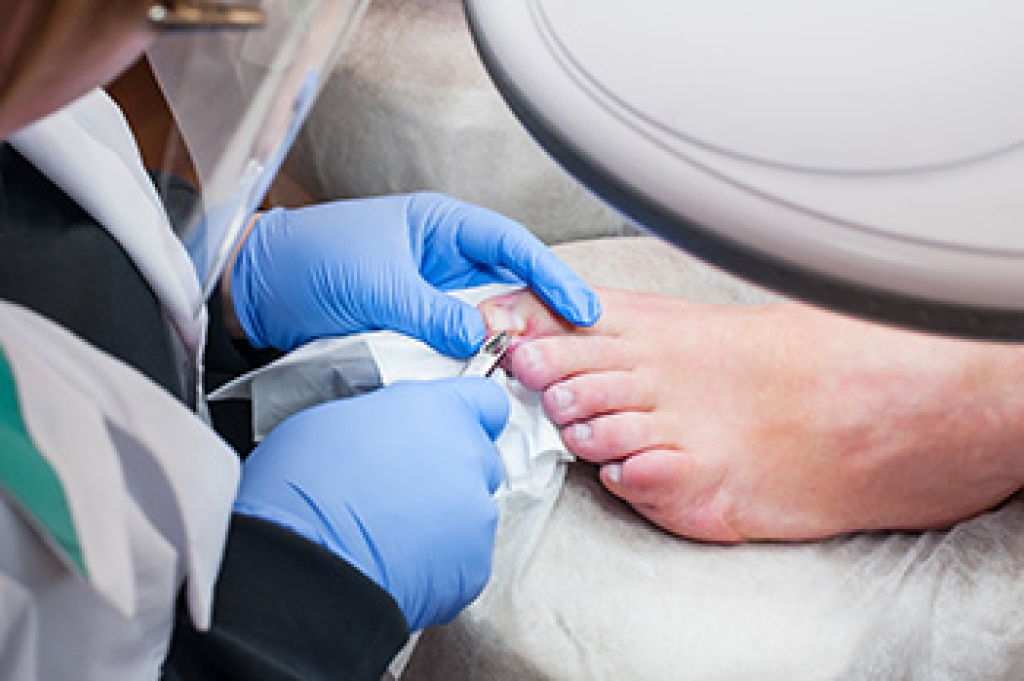
What Causes Bunions and How They Affect Foot Health

A bunion is a bony enlargement that forms at the base of the big toe when the joint becomes misaligned. This condition, also known as hallux valgus, develops gradually as the big toe shifts toward the second toe, creating a visible bump on the side of the foot. Bunions are a common source of foot pain and can interfere with daily activities such as walking or standing. Over time, the joint may become stiff and inflamed, leading to reduced mobility. Understanding bunions is important for maintaining proper foot structure and preventing long term complications.

Symptoms of bunions often begin with mild discomfort and progress as the deformity worsens. Individuals may notice swelling, redness, and tenderness surrounding the big toe joint. Pain may increase when wearing tight or narrow shoes, especially those with a pointed toe box. Some people experience callus formation due to friction between the toes, while others develop limited movement in the joint. In more advanced cases, the big toe may overlap or press against neighboring toes, causing additional irritation and imbalance.

Several risk factors contribute to the development of bunions. Genetics play a significant role, as inherited foot structure can predispose individuals to joint misalignment. Wearing ill-fitting or high-heeled shoes increases pressure on the forefoot and accelerates the condition. Flat feet, ligament laxity, and certain medical conditions, such as arthritis, also raise the risk. Occupations or activities that involve prolonged standing or repetitive stress on the feet may further contribute to bunion formation. Recognizing these factors can help guide prevention and early management.

The primary cause of bunions is an imbalance in the forces acting on the foot, which leads to joint instability over time. Poor footwear choices, structural abnormalities, and abnormal gait patterns all contribute to this imbalance. Early attention to symptoms can slow progression and reduce discomfort. Wearing supportive shoes, custom orthotics, and lifestyle adjustments may provide relief. If you have a bunion, it is suggested you consult a podiatrist for an accurate diagnosis and appropriate treatment.

If you are suffering from bunions, contact one of our podiatrists of Crystal Lake Foot & Ankle Center. Our doctors can provide the care you need to keep you pain-free and on your feet.

What Is a Bunion?

A bunion is formed of swollen tissue or an enlargement of boney growth, usually located at the base joint of the toe that connects to the foot. The swelling occurs due to the bones in the big toe shifting inward, which impacts the other toes of the foot. This causes the area around the base of the big toe to become inflamed and painful.

Why Do Bunions Form?

Genetics – Susceptibility to bunions are often hereditary

Stress on the feet – Poorly fitted and uncomfortable footwear that places stress on feet, such as heels, can worsen existing bunions

How Are Bunions Diagnosed?

Podiatrists often perform two tests – blood tests and x-rays – when trying to diagnose bunions, especially in the early stages of development. Blood tests help determine if the foot pain is being caused by something else, such as arthritis, while x-rays provide a clear picture of your bone structure to your provider.

How Are Bunions Treated?

  • Refrain from wearing heels or similar shoes that cause discomfort
  • Select wider shoes that can provide more comfort and reduce pain
  • Anti-inflammatory and pain management drugs
  • Orthotics or foot inserts
  • Surgery

If you have any questions, please feel free to contact our office located in Crystal Lake, IL . We offer the newest diagnostic and treatment technologies for all your foot care needs.

Read more about Bunions

Simple Ankle Stretches for Daily Support

Ankle pain can develop from overuse, strain, or poor movement patterns. It often appears as stiffness, soreness, or reduced range of motion. It may begin after activity or gradually worsen with time. Stretches like a towel stretch, calf raise, and golf ball roll can support flexibility and circulation. A towel stretch is done by sitting with legs extended and pulling a towel around the foot to stretch the calf. Calf raises involve lifting the heels slowly while standing to build strength. Additionally, a golf ball roll under the foot can ease tension in surrounding tissues. While these methods may provide relief, a podiatrist can assess alignment, identify any underlying causes, and create a structured treatment plan. If you have ankle pain, it is suggested that you consult a podiatrist who can guide you toward additional ankle exercises. 

Exercising your feet regularly with the proper foot wear is a great way to prevent injuries and build strength. If you have any concerns about your feet, contact one of our podiatrists from Crystal Lake Foot & Ankle Center. Our doctors can provide the care you need to keep you pain-free and on your feet.

Exercise for Your Feet

Exercise for your feet can help you gain strength, mobility and flexibility in your feet. They say that strengthening your feet can be just as rewarding as strengthening another part of the body. Your feet are very important, and we often forget about them in our daily tasks. But it is because of our feet that are we able to get going and do what we need to. For those of us fortunate enough to not have any foot problems, it is an important gesture to take care of them to ensure good health in the long run.

Some foot health exercises can include ankle pumps, tip-toeing, toe rises, lifting off the floor doing reps and sets, and flexing the toes. It is best to speak with Our doctors to determine an appropriate regimen for your needs. Everyone’s needs and bodies are different, and the activities required to maintain strength in the feet vary from individual to individual. 

Once you get into a routine of doing regular exercise, you may notice a difference in your feet and how strong they may become.

If you have any questions, please feel free to contact our office located in Crystal Lake, IL . We offer the newest diagnostic and treatment technologies for all your foot care needs.

Read more about Exercise for Your Feet

Signs of Peripheral Artery Disease in the Feet

Peripheral artery disease develops when blood flow to the legs and feet becomes reduced, often because arteries become narrowed, over time. In the feet, this may appear as pain during walking that improves with rest, coldness compared with the other foot, and slow-healing sores, in addition to skin color changes, or thinning, fragile skin. Some people notice reduced hair growth on the legs or feet, thickened nails, numbness, or weakness. As circulation worsens, pain may occur even while resting, especially at night. Because reduced blood flow can delay healing and increase the risk of serious complications, early recognition is important. A podiatrist can evaluate circulation, examine skin and nail changes, and identify warning signs that need further medical attention. If you notice foot pain with walking, unexplained wounds, or changes in skin temperature or color, it is strongly suggested that you visit a podiatrist.

Peripheral artery disease can pose a serious risk to your health. It can increase the risk of stroke and heart attack. If you have symptoms of peripheral artery disease, consult with one of our podiatrists from Crystal Lake Foot & Ankle Center. Our doctors will assess your condition and provide you with quality foot and ankle treatment.

Peripheral artery disease (PAD) is when arteries are constricted due to plaque (fatty deposits) build-up. This results in less blood flow to the legs and other extremities. The main cause of PAD is atherosclerosis, in which plaque builds up in the arteries.

Symptoms

Symptoms of PAD include:

  • Claudication (leg pain from walking)
  • Numbness in legs
  • Decrease in growth of leg hair and toenails
  • Paleness of the skin
  • Erectile dysfunction
  • Sores and wounds on legs and feet that won’t heal
  • Coldness in one leg

It is important to note that a majority of individuals never show any symptoms of PAD.

Diagnosis

While PAD occurs in the legs and arteries, Podiatrists can diagnose PAD. Podiatrists utilize a test called an ankle-brachial index (ABI). An ABI test compares blood pressure in your arm to you ankle to see if any abnormality occurs. Ultrasound and imaging devices may also be used.

Treatment

Fortunately, lifestyle changes such as maintaining a healthy diet, exercising, managing cholesterol and blood sugar levels, and quitting smoking, can all treat PAD. Medications that prevent clots from occurring can be prescribed. Finally, in some cases, surgery may be recommended.

If you have any questions, please feel free to contact our office located in Crystal Lake, IL . We offer the newest diagnostic and treatment technologies for all your foot care needs.

Read more about Peripheral Artery Disease

Facts About Peripheral Neuropathy in the Feet

Peripheral neuropathy develops when nerves outside the brain and spinal cord become damaged. In the feet, this problem can cause numbness, burning pain, tingling, or weakness. Some people feel like they are wearing socks when barefoot. Others lose feeling in the toes or soles of the feet. Diabetes is one of the most common causes of peripheral neuropathy. Other causes include vitamin deficiencies, certain medications, and cancer treatments. Poor nerve function can affect balance and make walking more difficult. It can also increase the risk of cuts, sores, and infections because people may not feel injuries right away. A podiatrist can examine the feet, test nerve function, and look for skin or circulation problems linked to neuropathy. Treatment includes custom orthotics, wearing protective footwear, and care for wounds or pressure areas. If you have symptoms of peripheral neuropathy in the feet, it is suggested that you schedule an appointment with a podiatrist.

Neuropathy

Neuropathy can be a potentially serious condition, especially if it is left undiagnosed. If you have any concerns that you may be experiencing nerve loss in your feet, consult with one of our podiatrists from Crystal Lake Foot & Ankle Center. Our doctors will assess your condition and provide you with quality foot and ankle treatment for neuropathy.

What Is Neuropathy?

Neuropathy is a condition that leads to damage to the nerves in the body. Peripheral neuropathy, or neuropathy that affects your peripheral nervous system, usually occurs in the feet. Neuropathy can be triggered by a number of different causes. Such causes include diabetes, infections, cancers, disorders, and toxic substances.

Symptoms of Neuropathy Include:

  • Numbness
  • Sensation loss
  • Prickling and tingling sensations
  • Throbbing, freezing, burning pains
  • Muscle weakness

Those with diabetes are at serious risk due to being unable to feel an ulcer on their feet. Diabetics usually also suffer from poor blood circulation. This can lead to the wound not healing, infections occurring, and the limb may have to be amputated.

Treatment

To treat neuropathy in the foot, podiatrists will first diagnose the cause of the neuropathy. Figuring out the underlying cause of the neuropathy will allow the podiatrist to prescribe the best treatment, whether it be caused by diabetes, toxic substance exposure, infection, etc. If the nerve has not died, then it’s possible that sensation may be able to return to the foot.

Pain medication may be issued for pain. Electrical nerve stimulation can be used to stimulate nerves. If the neuropathy is caused from pressure on the nerves, then surgery may be necessary.

If you have any questions, please feel free to contact our office located in Crystal Lake, IL . We offer the newest diagnostic and treatment technologies for all your foot care needs.

Read more about Neuropathy

Are Bunions Affecting Your Everyday Life?

Have you noticed a bony protrusion on the side of your big toe? If so, you may have developed the foot condition known as a bunion. Don't let bunions interfere with your daily activities.

Connect With Us

scroll to top