
Supporting Children With Flat Foot Symptoms

Flat feet are a condition in which the arches along the inside of the feet appear low or collapsed while standing. Many children with flat feet do not require aggressive treatment, especially when the condition is painless and does not interfere with normal activity. Conservative management focuses on improving comfort, reducing strain, and supporting healthy foot function as a child grows. Some children benefit from wearing supportive shoes that provide better stability during walking, running, and sports. Others may respond well to stretching exercises that improve flexibility in the feet and legs, particularly when tight muscles contribute to discomfort. Custom orthotics, which are inserts designed to support foot alignment, may also help relieve fatigue or pain in certain cases. Activity modification and monitoring over time can be important when symptoms appear during growth periods. A podiatrist can evaluate how the child walks, determine whether the flat feet are contributing to symptoms, and recommend treatment based on the child’s specific needs. If your child has persistent foot pain, fatigue, or difficulty with activity, it is suggested that you visit a podiatrist for evaluation and appropriate treatment.

Flatfoot is a condition many people suffer from. If you have flat feet, contact one of our podiatrists from Crystal Lake Foot & Ankle Center. Our doctors will treat your foot and ankle needs.

What Are Flat Feet?

Flatfoot is a condition in which the arch of the foot is depressed and the sole of the foot is almost completely in contact with the ground. About 20-30% of the population generally has flat feet because their arches never formed during growth.

Conditions & Problems:

Having flat feet makes it difficult to run or walk because of the stress placed on the ankles.

Alignment – The general alignment of your legs can be disrupted, because the ankles move inward which can cause major discomfort.

Knees – If you have complications with your knees, flat feet can be a contributor to arthritis in that area.  

Symptoms

  • Pain around the heel or arch area
  • Trouble standing on the tip toe
  • Swelling around the inside of the ankle
  • Flat look to one or both feet
  • Having your shoes feel uneven when worn

Treatment

If you are experiencing pain and stress on the foot you may weaken the posterior tibial tendon, which runs around the inside of the ankle. 

If you have any questions, please feel free to contact our office located in Crystal Lake, IL . We offer the newest diagnostic and treatment technologies for all your foot care needs.
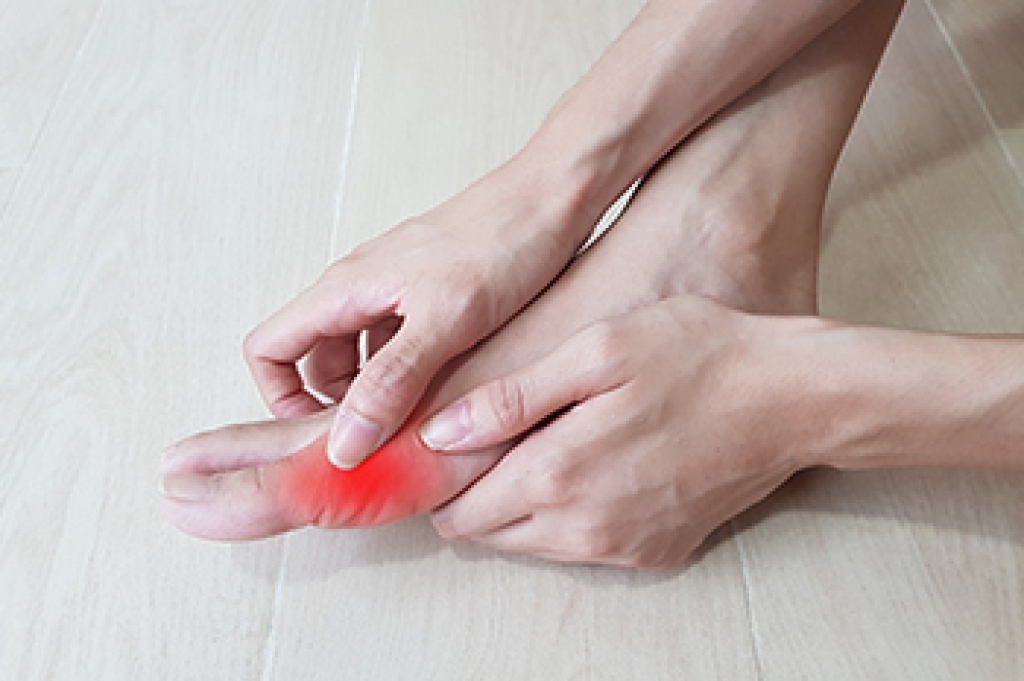

Read more about What is Flexible Flat Foot?

What to Know About Broken Toe Injuries

A broken toe can turn a simple step into a painful challenge. A fracture occurs when one of the small bones in a toe cracks or breaks. The injury frequently happens after a toe is stubbed against a hard object or something heavy falls on the foot. Pain, swelling, and bruising can develop soon after the injury. Walking can become difficult because the toes help support balance and movement. A broken toe can also look crooked when the bone has shifted from its normal position.

Some toe fractures need closer attention because the location and severity can affect healing. An injury to the big toe can cause greater problems with walking because this toe plays an important role in balance and pushing off the ground. A wound near the fracture can increase the risk of infection. Blood can also collect beneath the toenail after an object strikes the toe. Without proper treatment, a badly positioned fracture can heal incorrectly. This could lead to lasting pain, changes in toe shape, or problems with movement.

A podiatrist can examine the injured toe to determine whether a fracture has occured and how serious it is. The evaluation can include checking swelling, tenderness, and toe position. X-rays can help show the location of the break and whether the bone has moved out of place. Treatment can include stabilizing the toe, using a protective shoe, or placing the foot in a cast. A podiatrist can also realign a displaced bone, while severe fractures can require surgery. Proper treatment helps protect the toe while the bone heals and can reduce the risk of future problems. If you have broken your toe, it is suggested that you schedule an appointment with a podiatrist for effective relief and treatment solutions. 

A broken toe can be very painful and lead to complications if not properly fixed. If you have any concerns about your feet, contact one of our podiatrists from Crystal Lake Foot & Ankle Center. Our doctors will treat your foot and ankle needs.

What to Know About a Broken Toe

Although most people try to avoid foot trauma such as banging, stubbing, or dropping heavy objects on their feet, the unfortunate fact is that it is a common occurrence. Given the fact that toes are positioned in front of the feet, they typically sustain the brunt of such trauma. When trauma occurs to a toe, the result can be a painful break (fracture).

Symptoms of a Broken Toe

  • Throbbing pain
  • Swelling
  • Bruising on the skin and toenail
  • The inability to move the toe
  • Toe appears crooked or disfigured
  • Tingling or numbness in the toe

Generally, it is best to stay off of the injured toe with the affected foot elevated.

Severe toe fractures may be treated with a splint, cast, and in some cases, minor surgery. Due to its position and the pressure it endures with daily activity, future complications can occur if the big toe is not properly treated.

If you have any questions, please feel free to contact our office located in Crystal Lake, IL . We offer the newest diagnostic and treatment technologies for all your foot care needs.
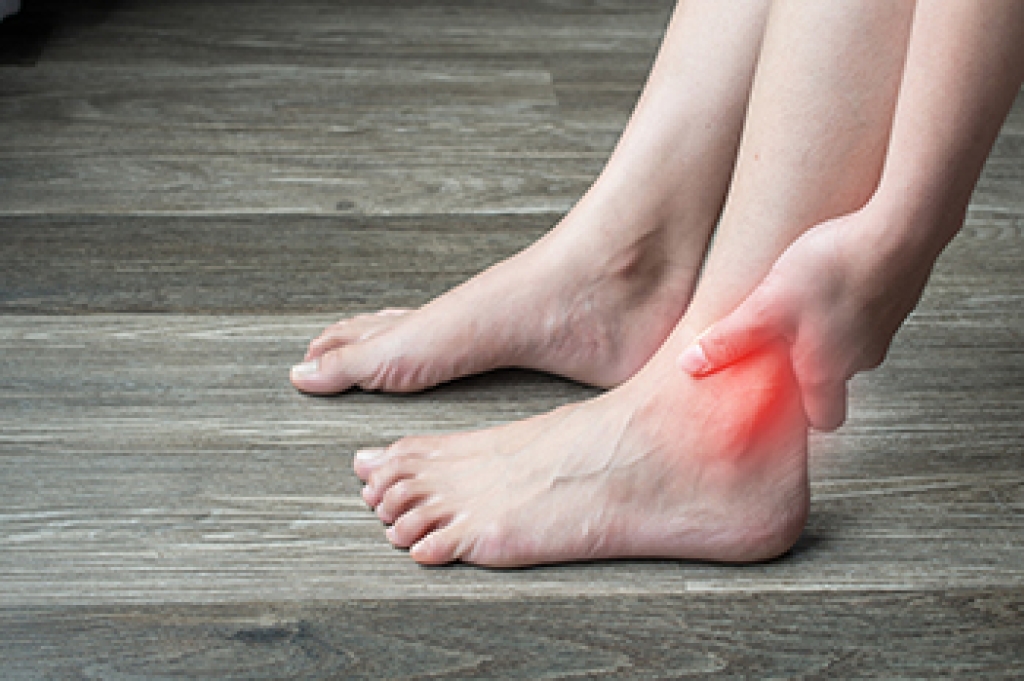
Read more about What to Know About a Broken Toe

Do You Suffer From Painful Feet?

Painful deformities, such as hammertoes, can be treated. Stop living with foot pain, and have beautiful feet again!

Hidden Risks of Flip-Flops and Foot Health

Flip-flops are a popular type of open-toed footwear known for their convenience and lightweight design. While they are often worn in warm weather, they provide minimal support and protection for the feet. This lack of structure can place added strain on muscles and joints, especially with prolonged use. Understanding how flip-flops affect foot health helps individuals make informed decisions about when and how to wear them safely.

Symptoms associated with frequent flip-flop wear include aching feet, soreness in the arches, and fatigue after walking. Because these shoes lack proper cushioning and arch support, the foot must work harder to maintain stability. This can lead to discomfort and imbalance. Some individuals may also experience heel pain or strain in the toes due to gripping the sandal while walking. These symptoms can become more noticeable with extended wear.


Wearing flip-flops in certain situations can increase the risk of foot problems. Long distance walking, sports activities, and driving are times when supportive footwear is more appropriate. Flip-flops do not provide the stability needed for these activities, increasing the risk of injury. Foot conditions like plantar fasciitis, tendon strain, and stress-related discomfort may develop with repeated use. Risk factors include prolonged standing, existing foot conditions, and improper footwear habits.


A podiatrist may address issues caused by flip-flops by evaluating foot structure, recommending supportive shoes, and suggesting custom orthotics, if needed. Treatment may also include stretching exercises and methods to reduce inflammation. Choosing footwear with proper support can help prevent recurring pain and improve overall foot function. Being mindful of when to wear flip-flops supports better long-term foot health. If you have foot pain from wearing flip-flops, it is suggested that you consult a podiatrist for effective relief tips and guidance on choosing more appropriate shoes. 

Flip-flops can cause a lot of problems for your feet. If you have any concerns about your feet or ankles, contact one of our podiatrists from Crystal Lake Foot & Ankle Center. Our doctors will assist you with all of your foot and ankle needs.

Flip-Flops and Feet

Flip-flops have managed to become a summer essential for a lot of people. While the shoes may be stylish and easy to slip on and off, they can be dangerous to those who wear them too often. These shoes might protect you from fungal infections such as athlete’s foot, but they can also give you foot pain and sprained ankles if you trip while wearing them.

When Are They Okay to Wear?

Flip-flops should only be worn for very short periods of time. They can help protect your feet in places that are crawling with fungi, such as gym locker rooms. Athlete’s foot and plantar warts are two common fungi that flip-flops may help protect your feet against.

Why Are They Bad for My Feet?

These shoes do not offer any arch support, so they are not ideal for everyday use. They also do not provide shock absorption or heel cushioning which can be problematic for your feet. Additionally, you may suffer from glass cuts, puncture wounds, and stubbed toes since they offer little protection for your feet.

More Reasons Why They Are Bad for Your Feet

  • They Slow You Down
  • May Cause Blisters and Calluses
  • Expose Your Feet to Bacteria

If you have any questions, please feel free to contact our office located in Crystal Lake, IL . We offer the newest diagnostic and treatment technologies for all your foot care needs.
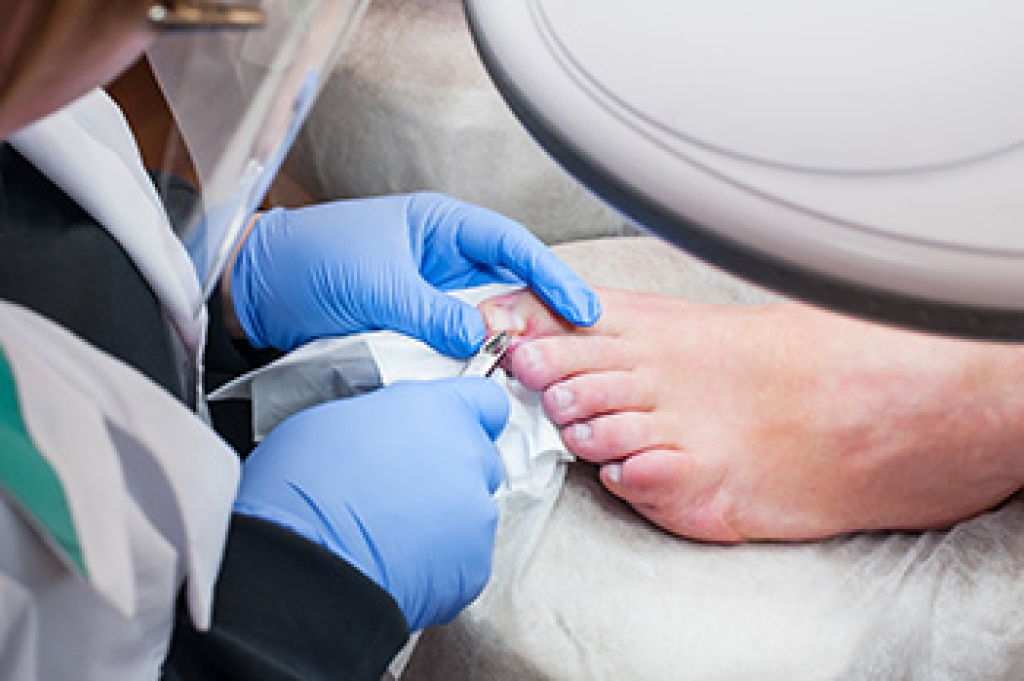
Read more about Flipping Out About Flip Flops

When a Diabetic Foot Wound Becomes Dangerous

A diabetic foot ulcer is an open sore or wound that develops when diabetes damages nerves and reduces blood flow in the feet, making even minor injuries harder to notice and slower to heal. These wounds often appear on pressure points such as the bottom of the foot or around the toes. Without prompt treatment, complications can become serious. Infection may spread into deeper skin, soft tissue, or bone, leading to swelling, drainage, or odor. Discoloration or increasing pain may also develop, though some people feel very little because of nerve damage. Poor circulation can delay healing and raise the risk of tissue death or limb loss in severe cases. A podiatrist can clean the wound, remove damaged tissue, and reduce pressure on the area. This healthcare professional can also monitor for infection, order imaging when needed, and coordinate advanced wound care. Early intervention matters. If you notice a foot wound that is not healing properly, it is strongly suggested that you visit a podiatrist for an evaluation and appropriate treatment.

Diabetic foot care is important in preventing foot ailments such as ulcers. If you are suffering from diabetes or have any other concerns about your feet, contact one of our podiatrists from Crystal Lake Foot & Ankle Center. Our doctors can provide the care you need to keep you pain-free and on your feet.

Diabetic Foot Care

Diabetes affects millions of people every year. The condition can damage blood vessels in many parts of the body, especially the feet. Because of this, taking care of your feet is essential if you have diabetes, and having a podiatrist help monitor your foot health is highly recommended.

The Importance of Caring for Your Feet

  • Routinely inspect your feet for bruises or sores.
  • Wear socks that fit your feet comfortably.
  • Wear comfortable shoes that provide adequate support.

Patients with diabetes should have their doctor monitor their blood levels, as blood sugar levels play such a huge role in diabetic care. Monitoring these levels on a regular basis is highly advised.

It is always best to inform your healthcare professional of any concerns you may have regarding your feet, especially for diabetic patients. Early treatment and routine foot examinations are keys to maintaining proper health, especially because severe complications can arise if proper treatment is not applied.

If you have any questions, please feel free to contact our office located in Crystal Lake, IL . We offer the newest diagnostic and treatment technologies for all your foot care needs.

Read more about How to Care for Diabetic Foot

Connect With Us

scroll to top