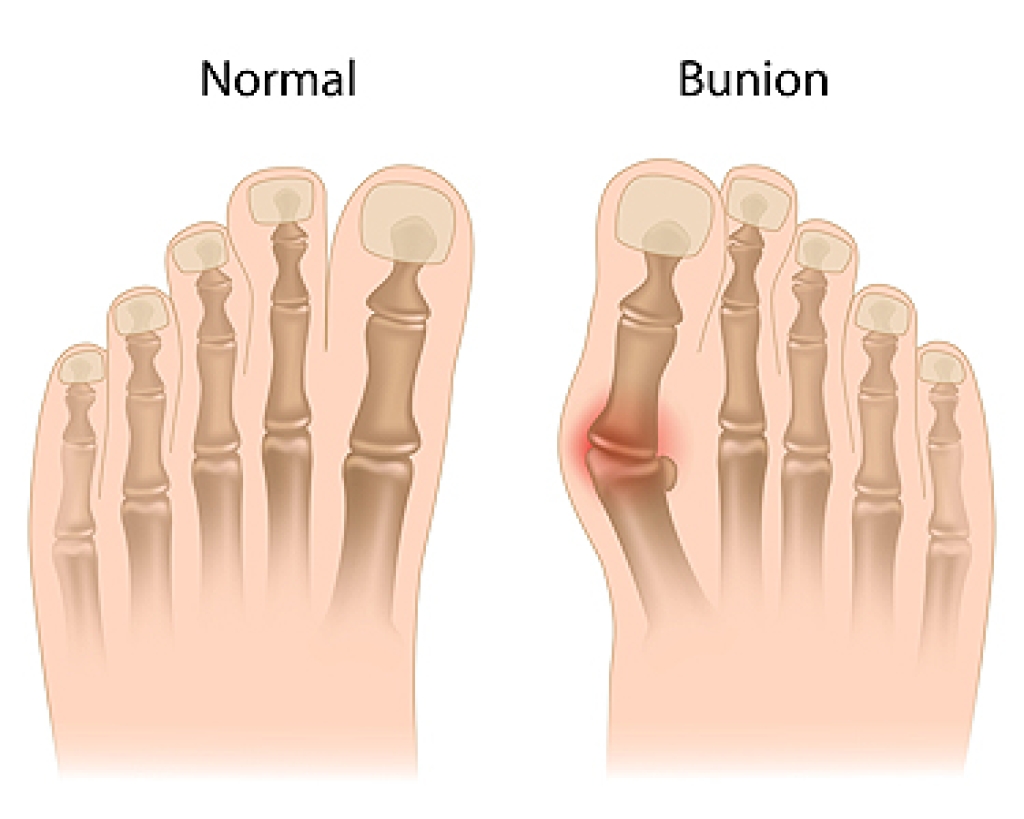
Bunions are a common foot condition that develops gradually as the big toe joint becomes misaligned, forming a prominent bump along the side of the foot. This structural change can affect balance, walking ability, and overall foot health. Bunions are known to increase in frequency with age and are especially common in women due to both biological and lifestyle factors. Recognizing how these elements contribute to bunion formation can help individuals take proactive steps to protect their feet.
The symptoms of bunions often begin with mild discomfort and progress to more noticeable pain, swelling, and stiffness in the big toe joint. The area may become tender, particularly when wearing shoes that press against the bunion. Over time, the big toe may shift toward the other toes, leading to crowding and difficulty finding comfortable footwear. These symptoms can limit mobility and reduce quality of life if not properly managed.
Risk factors for bunions include inherited foot structure, aging-related joint changes, and footwear choices. As people age, ligaments may lose strength, making the foot more prone to misalignment. Women are at higher risk due to frequent use of narrow or high-heeled shoes that concentrate pressure on the forefoot. Additional causes include repetitive stress on the feet, flat arches, and improper gait patterns. These factors work together to increase strain on the big toe joint and contribute to bunion development.
Preventive strategies include wearing supportive shoes with a wide toe box, maintaining healthy foot mechanics, and avoiding excessive pressure on the forefoot. Early attention to symptoms can help slow progression and improve comfort. Taking a proactive approach to foot care supports long-term mobility and well-being. If you have a bunion or notice worsening symptoms, it is suggested that you consult a podiatrist for effective relief and management solutions.
If you are suffering from bunion pain, contact one of our podiatrists of Crystal Lake Foot & Ankle Center. Our doctors can provide the care you need to keep you pain-free and on your feet.
What Is a Bunion?
Bunions are painful bony bumps that usually develop on the inside of the foot at the joint of the big toe. As the deformity increases over time, it may become painful to walk and wear shoes. Women are more likely to exacerbate existing bunions since they often wear tight, narrow shoes that shift their toes together. Bunion pain can be relieved by wearing wider shoes with enough room for the toes.
Causes
- Genetics – some people inherit feet that are more prone to bunion development
- Inflammatory Conditions - rheumatoid arthritis and polio may cause bunion development
Symptoms
- Redness and inflammation
- Pain and tenderness
- Callus or corns on the bump
- Restricted motion in the big toe
In order to diagnose your bunion, your podiatrist may ask about your medical history, symptoms, and general health. Your doctor might also order an x-ray to take a closer look at your feet. Nonsurgical treatment options include orthotics, padding, icing, changes in footwear, and medication. If nonsurgical treatments don’t alleviate your bunion pain, surgery may be necessary.
If you have any questions, please feel free to contact our office located in Crystal Lake, IL . We offer the newest diagnostic and treatment technologies for all your foot care needs.
